
How to Choose the Right Paint Brush
Choosing the right paint brush is just as important as choosing the right paint. Even if you spend time preparing surfaces and using high-quality paint, a poor brush can ruin the final result. The right brush helps apply paint smoothly, evenly, and with better control, giving you a professional-looking finish.

Start with a Quality Brush
One common mistake people make is buying premium paint but trying to save money on brushes. A quality brush holds more paint, spreads it more smoothly, and reduces splatter while you work. Cheaper brushes often have trimmed bristles instead of properly shaped ones, which can lead to streaky or uneven results.
Choose the Right Bristles
The type of bristle you use should match the paint you’re working with.
- Synthetic bristles (nylon or polyester): Best for modern water-based paints because they maintain their shape and spread paint evenly.
- Natural bristles: Better suited to oil-based paints. When used with water-based paint, natural fibres absorb water, swell, and quickly lose their shape.
Quality brushes also have flagged tips—tiny split ends on the bristles that help distribute paint smoothly across the surface for a more even finish.
Pick the Right Brush Type
Different brushes are designed for different painting jobs.
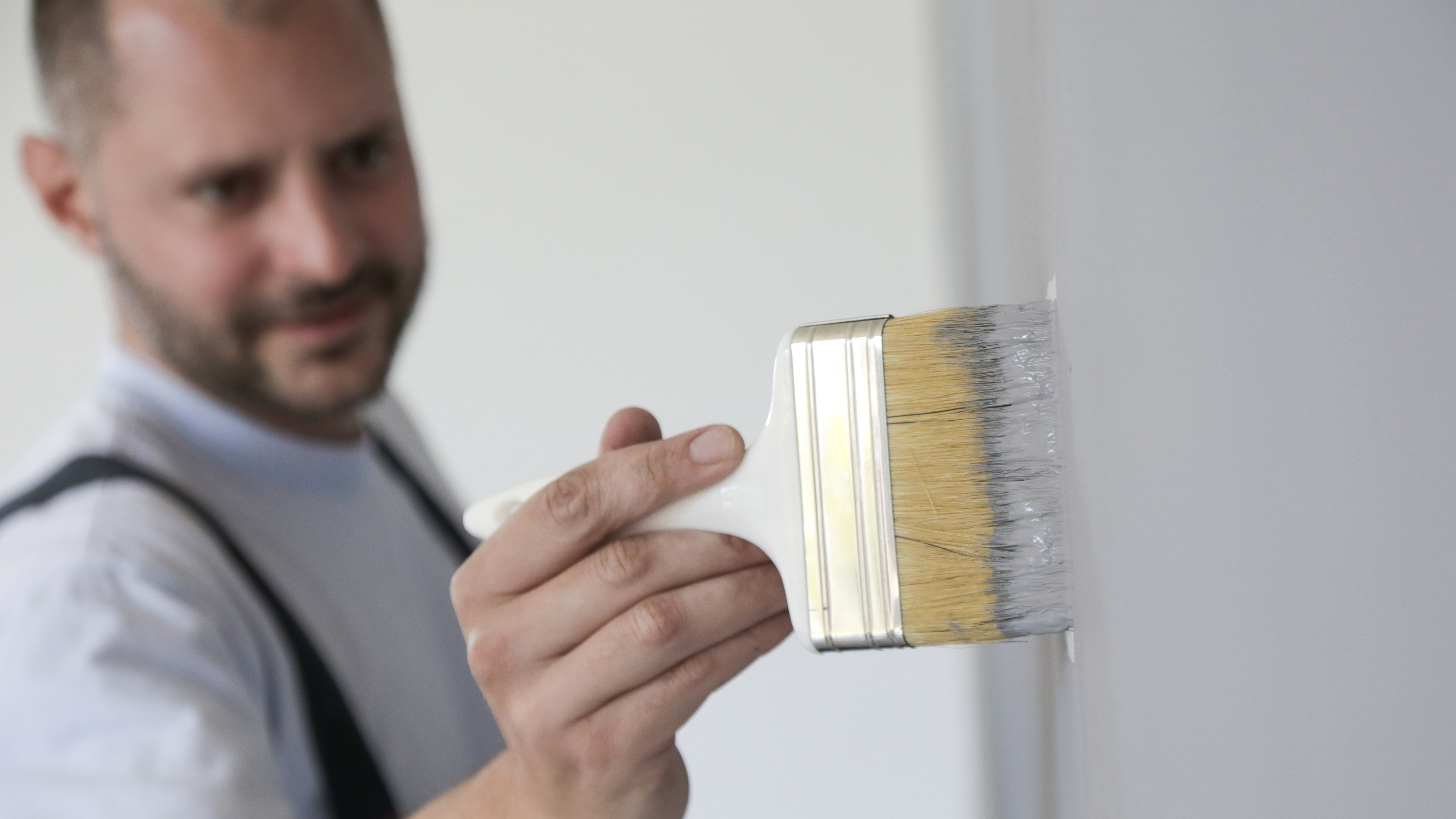
- Wall brushes: Short-handled brushes that hold more paint, making them ideal for larger surfaces like walls and fences.
- Cutter brushes: Long-handled brushes designed for control and precision when cutting in around edges.
- Sash cutters: Full-bodied brushes commonly used for cutting in around windows and trim.
- Angle cutters: Similar to sash cutters but with angled bristles that help create sharper, more accurate lines.
- Oval cutters: A versatile option that combines paint-holding capacity with improved edge control.
Look for Comfort and Balance
Brush handles come in different shapes, and the best option often comes down to personal preference. Many painters prefer traditional handles that feel comfortable and balanced in the hand, allowing better control while painting.

Take Care of Your Brushes
Proper brush care will help them last longer. Avoid leaving brushes standing in water or solvent for long periods, as this can damage the ferrule and bristles. Instead, wash brushes in warm soapy water, rinse thoroughly, and allow them to dry. When storing them, wrap them in newspaper or cloth so they can breathe and keep their shape.
Using the right brush - and taking care of it - can make all the difference when it comes to achieving a smooth, professional paint finish. 🎨